by Fredi Nonyelu | Jul 10, 2026 | Education, Training, Uncategorised
Public services face rising demand, increasing risk, and limited resources. Spatial Intelligence (SpatialAI) helps organisations make better decisions by connecting data from people, places, operations, and environments into a single view.
By analysing patterns across space and time, SpatialAI reveals risks, predicts demand, and identifies opportunities for earlier intervention. Councils can improve safeguarding and resource allocation, care providers can enhance wellbeing and workforce planning, and venues can optimise visitor flow and safety.
Moving beyond reactive reporting, SpatialAI enables proactive, evidence-based decision-making that improves outcomes while reducing operational inefficiencies. As public services seek smarter ways to serve communities, SpatialAI is emerging as a critical capability for the future.

by Fredi Nonyelu | May 18, 2026 | Uncategorised
The proposed merger between King’s College London and Cranfield University signals a shift in how universities drive innovation — and its impact could be especially significant for Milton Keynes. By combining King’s global research strength with Cranfield’s applied engineering expertise, the partnership could create a powerful pipeline from discovery to real‑world deployment.
For Milton Keynes, this means more than academic alignment. Increased investment, stronger industry links, and access to talent and facilities could accelerate the town’s growth as a technology hub. As Fredi Nonyelu notes, closer ties between research and deployment could unlock faster innovation, while Biztech’s Ben Allen highlights the potential to better connect SMEs and enterprise across a more cohesive regional ecosystem.
by Fredi Nonyelu | Apr 13, 2026 | Uncategorised
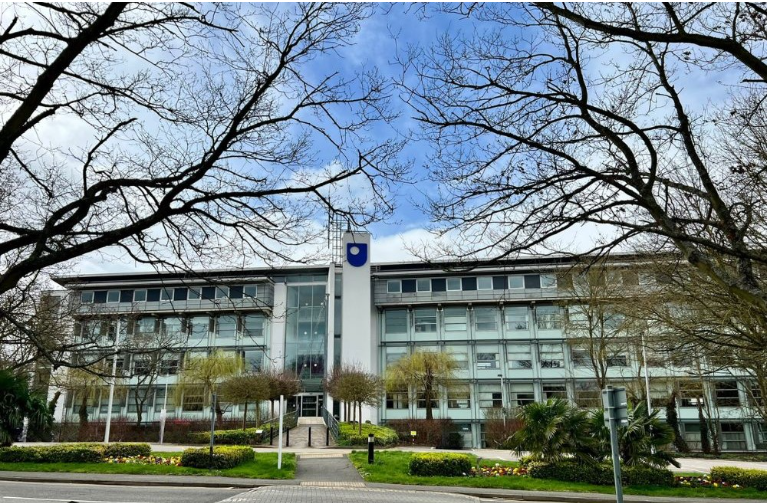
SMEs don’t struggle with ideas—they struggle with turning ideas into reality. Moving from concept to research and development is complex, risky, and resource heavy, especially without the right support.
The Open University–led innovation programme across the Oxford–Cambridge Growth Corridor changes that. By connecting funding, expertise, and real world testing, it gives SMEs a faster, smarter route from innovation to impact.
by Fredi Nonyelu | Mar 4, 2026 | Education, Training, Uncategorised
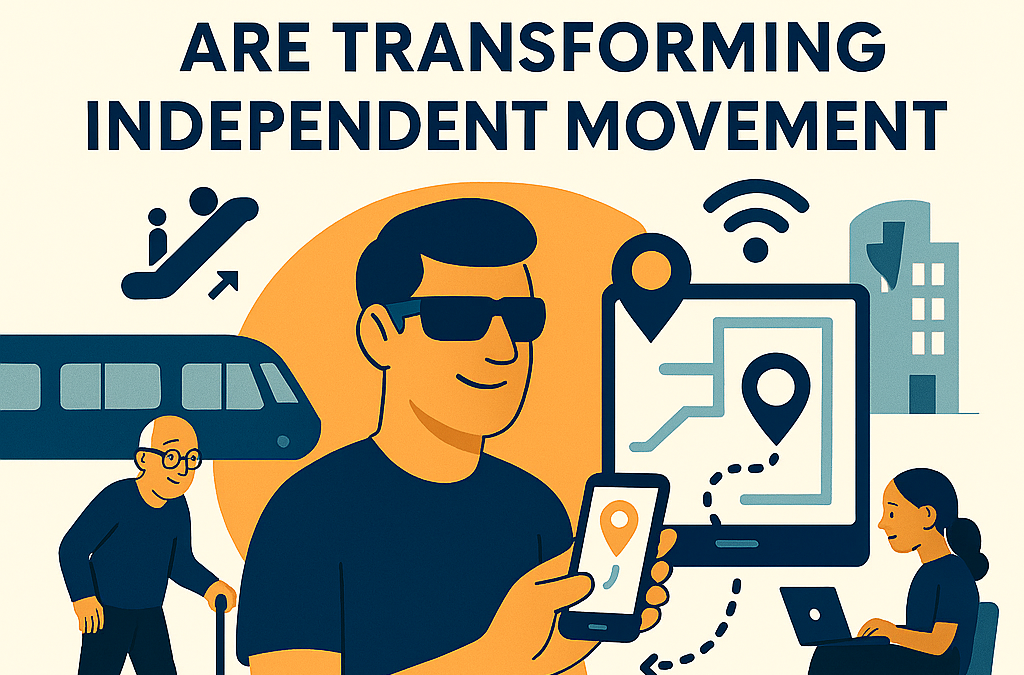
AR navigation and smart glasses are changing how people move — not just through stations, but through hospitals, campuses, and public buildings.
By overlaying personalised guidance onto the real world, these tools restore confidence, reduce stress, and support truly independent movement.
Discover how Briteyellow’s spatial intelligence platform is making environments more intuitive, inclusive, and human‑centred — one step at a time.

by Fredi Nonyelu | Jan 27, 2026 | Education, LATEST NEWS, Talks, Training, Uncategorised
Professor Ed Braund to headline the inaugural Biztech Innovation Roundtable. on Wednesday, February 4th, 2026, from 12:00 to 13:00 GMT.

by Ronnie Findlay | Nov 12, 2021 | Uncategorised
We’re living in the era of startups. From science and technology to manufacturing, food and beverage and others, all sectors are witnessing a rise in the number of startups like never before. While launching a startup in any industry is tricky, it is particularly...