

Practical AI Workshops: Accelerating Innovation and Productivity
Practical AI Training helps organizations build an AI-ready workforce, improve productivity, and accelerate innovation through hands-on learning and real-world applications.
Practical AI Training helps organizations build an AI-ready workforce, improve productivity, and accelerate innovation through hands-on learning and real-world applications.
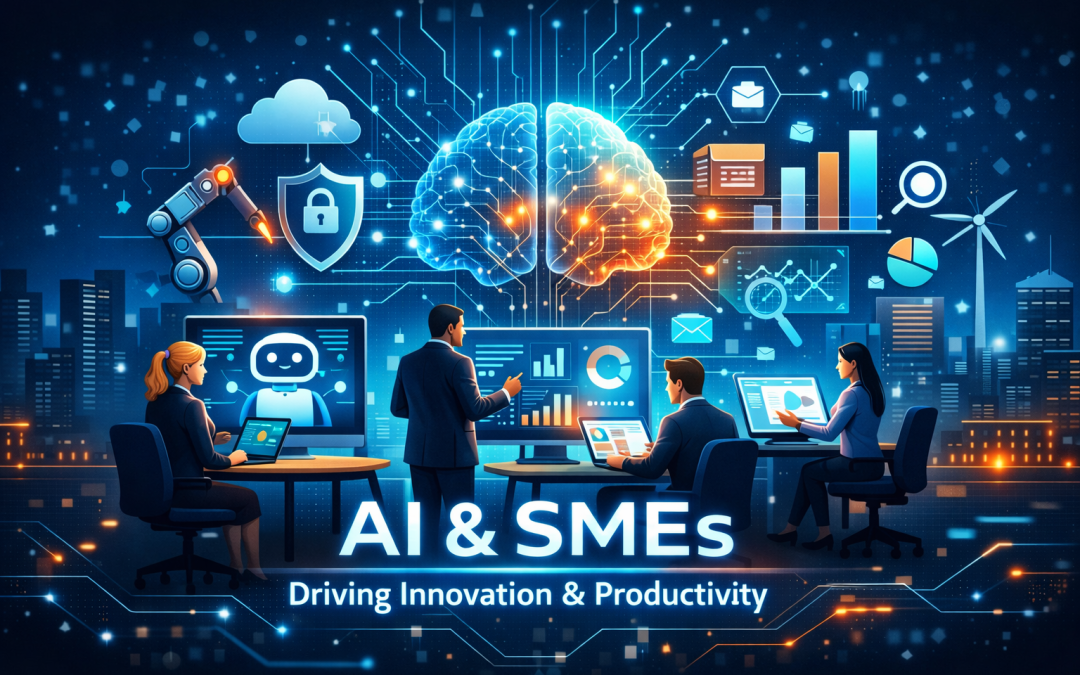
What if your team could reclaim hours every week without increasing headcount? From automating routine tasks to improving customer service and accelerating innovation, AI is helping SMEs work smarter, faster, and more competitively. The key is knowing where to start and how to adopt AI safely and effectively.
Public services face rising demand, increasing risk, and limited resources. Spatial Intelligence (SpatialAI) helps organisations make better decisions by connecting data from people, places, operations, and environments into a single view.
By analysing patterns across space and time, SpatialAI reveals risks, predicts demand, and identifies opportunities for earlier intervention. Councils can improve safeguarding and resource allocation, care providers can enhance wellbeing and workforce planning, and venues can optimise visitor flow and safety.
Moving beyond reactive reporting, SpatialAI enables proactive, evidence-based decision-making that improves outcomes while reducing operational inefficiencies. As public services seek smarter ways to serve communities, SpatialAI is emerging as a critical capability for the future.
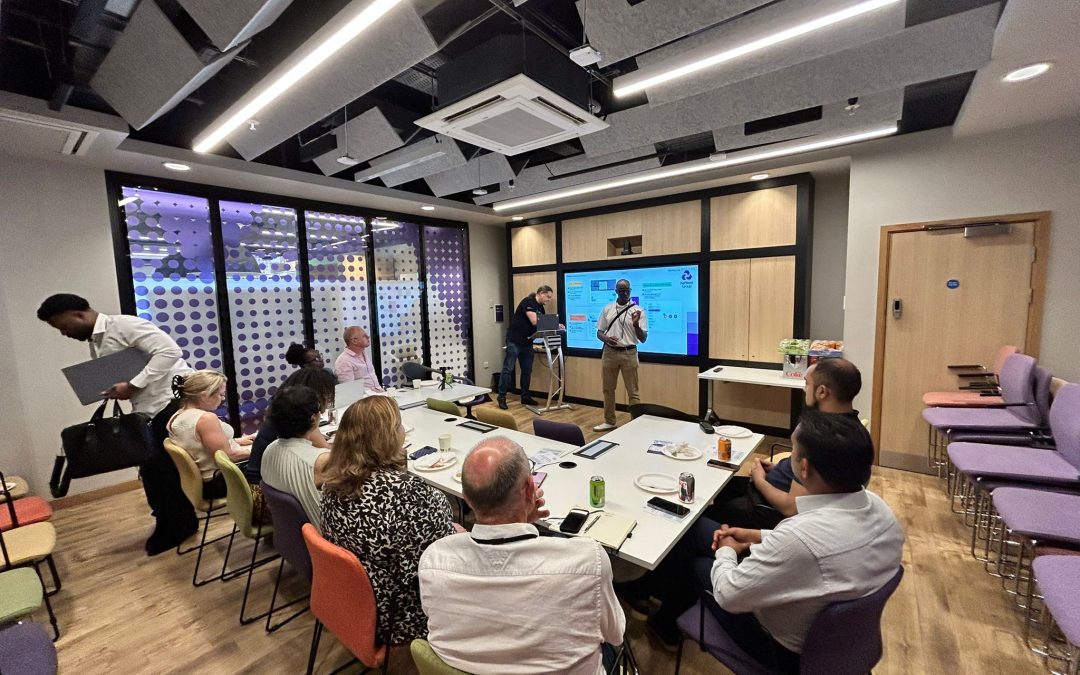
For decades, telecom innovation was defined by speed—faster downloads, lower latency, greater capacity. As the industry moves toward the 2030s and 6G, that model is shifting. The next era will be shaped by intelligence, reach, and security. AI‑native networks will sense, predict, and self‑heal in real time. Non‑terrestrial networks will extend connectivity across land, sea, and sky, removing dead zones. Quantum‑safe technologies will protect data against emerging threats from quantum computing. Together, these advances transform the network from passive infrastructure into an adaptive, always‑available system that operates seamlessly in the background while supporting a fully connected world at global scale.

AI resistance isn’t a technology problem — it’s a human response to uncertainty. Teams push back when change feels imposed, not shared, and when the rules of work suddenly shift. The fear isn’t just job loss; it’s loss of control, relevance, and clarity about how performance will be judged. When AI tools add complexity or fail to deliver clear value, trust erodes quickly. What looks like resistance is often rational: unclear goals, weak communication, and low confidence. The real signal? Your team isn’t rejecting AI — they’re telling you where trust, clarity, and alignment are missing.
Join us for the Biztech Innovation Challenge Launch Workshop on Tuesday, 6 May, as a dynamic line-up of innovation leaders, academics, and technology experts come together to inspire the next generation of changemakers. Featuring sessions from Professor Ben Allen, Ben Klewpatinond, Dr Mahmoud Artemi, Fredi Nonyelu, and Henry Kafeman, the workshop will explore innovation trends, design thinking, emerging technologies, and collaborative problem-solving. Participants will gain practical insights, form teams, and begin shaping innovative solutions to real-world challenges.